Autumn arrived slowly that year.
In Arizona, seasons do not announce themselves dramatically. The heat simply loosens its grip a little at a time. Mornings become bearable before afternoons do. The light softens. People start opening windows again.
Kathy began sleeping through the night for the first time in years.
That was how I measured recovery—not in lab numbers or medical charts, though those mattered too, but in ordinary things returning quietly to our lives. Her appetite came back. The color returned to her face. The ulcer on her foot finally closed, leaving behind a pale scar shaped like a crooked crescent moon.
One Saturday morning, I found her standing barefoot in the kitchen making pancakes.
I stared at her so long she laughed.
“What?” she asked.
“You’re standing.”
It sounded ridiculous once said aloud, but she understood immediately.
For months, maybe years, she had leaned against counters while cooking because the pain in her foot made standing difficult. She used stools while washing dishes. She moved through the house carefully, conserving energy the way poor people conserve heat in winter.
Now she stood at the stove in her slippers and old cardigan, flipping pancakes while sunlight came through the kitchen window and landed across her hair.
“Doctor says I’m healing,” she said.
“Yes,” I answered. “You are.”
Jason arrived an hour later with groceries in reusable bags and coffee balanced in a cardboard tray.
He still knocked before entering.
I noticed that every time.
As a child, he had burst into rooms like they belonged to him. Teenagers do that when they grow up secure in love. Adults do it when they grow up secure in entitlement.
Now he waited at the door until invited inside.
Shame changes a person’s posture before it changes anything else.
“Morning,” he said carefully.
Kathy kissed his cheek.
There was still tenderness there between them, but it had become a cautious tenderness, like touching a bruise that had mostly healed but still remembered pressure.
Jason unpacked the groceries automatically.
Low sodium soup for Kathy.
Fresh vegetables.
Tea.
He moved through the kitchen quietly, learning our routines in reverse, discovering all the things he had not noticed before.
The generic cereal instead of brand name.
The way Kathy reused plastic containers.
The ancient microwave with the broken timer button.
The fact that our plates did not match because most of them had come from thrift stores over the years after others cracked or chipped.
Poverty hides itself gradually.
Not in one catastrophic absence, but in a thousand substitutions.
Jason was only beginning to see the archaeology of our compromises.
That afternoon, he asked if he could fix the porch screen.
It had been torn near the bottom for almost a year.
I had kept meaning to repair it myself, but then there was Kathy’s foot and the rent and the diagnosis and all the other emergencies that consume the time where ordinary maintenance once lived.
So Jason bought supplies at Home Depot and spent three hours kneeling on the porch replacing the mesh.
I watched him through the window for a while.
His expensive watch was gone.
Not temporarily.
Gone.
In its place was a plain digital watch with a black rubber strap.
I found myself strangely moved by that.
Not because the watch mattered.
Because people reveal themselves through what they stop needing others to see.
That evening, while Kathy napped on the couch, Jason sat beside me on the porch.
The repaired screen smelled faintly metallic in the cooling air.
“You know,” he said quietly, “I used to think money solved things.”
I waited.
“My whole life after business school became about growth. Returns. Efficiency. Bigger house, better investments, better circles.” He stared out at the yard. “I told myself I was building security.”
“And were you?”
“No.” He shook his head slowly. “I was building distance.”
The honesty in that sentence landed heavily between us.
A year earlier, he could not have said it.
Some truths require suffering before they become visible.
“I don’t know how I stopped seeing you,” he admitted.
I looked at him for a long time before answering.
“You didn’t stop seeing us all at once,” I said. “That’s the dangerous part. It happened slowly enough to feel normal.”
He swallowed hard.
“When I heard Mom crying in that restaurant…” His voice faltered. “I still hear it sometimes.”
“So do I.”
We sat quietly after that.
A dog barked somewhere down the block.
Sprinklers clicked on one yard at a time.
Inside, Kathy shifted beneath the blanket on the couch.
The ordinary sounds of evening.
I had spent years believing survival required dramatic change.
But sometimes survival is simply the return of attention.
Seeing each other clearly again.
Near Thanksgiving, Jason asked if we would come to his house for dinner.
The question tightened something inside me immediately.
Not anger exactly.
Memory.
Amber had moved out months earlier. The divorce papers were nearly finalized. Jason had sold the Porsche and downsized into a smaller home across town, one he admitted sheepishly was still far larger than he needed.
“We don’t have to,” he added quickly when neither Kathy nor I answered right away. “I just thought maybe… maybe we could try.”
Kathy looked at me.
I saw the same uncertainty in her eyes that I felt in my chest.
Trust does not regrow the way skin does.
It regrows the way forests do after fires.
Slowly.
Unevenly.
With entire sections remaining barren long after others begin to bloom again.
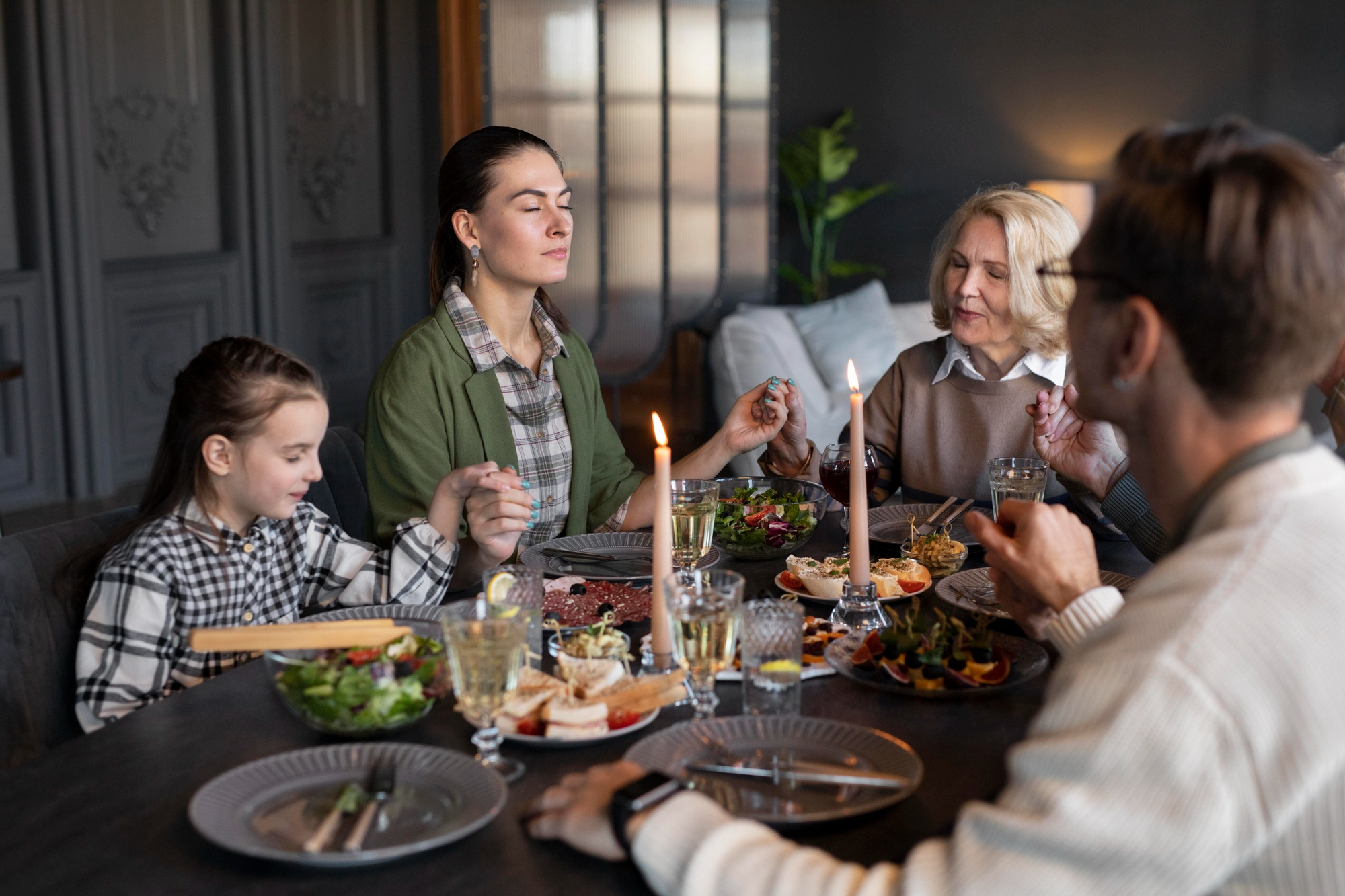
But on Thanksgiving afternoon, we drove across town anyway.
Jason opened the door before we knocked.
The house smelled like rosemary and turkey and butter.
For one disorienting second, I saw flashes of the boy he used to be—the child who once ran to the door holding construction-paper hand turkeys he made in elementary school.
Then the moment passed.
Adults never fully become children again.
But sometimes you glimpse the earlier versions still living underneath.
Dinner was simple.
Not performatively humble.
Just simple.
Turkey.
Mashed potatoes.
Green beans.
Store-bought pie.
No wine pairings.
No expensive centerpiece.
No conversation designed to impress anyone.
At one point, Kathy laughed so suddenly at something Jason said that she had to cover her mouth with her napkin.
The sound startled all three of us.
Not because laughter was unusual.
Because it had arrived without effort.
After dinner, Jason packed leftovers into containers for us to take home.
When he handed Kathy the bag, she touched his arm gently.
“You don’t have to keep paying us back forever,” she said.
His expression changed.
“I know,” he answered quietly. “I’m not doing it because I owe you money.”
“Then why?”
He looked down at the containers in his hands for several seconds before answering.
“Because I missed too many years thinking love was something you felt instead of something you did.”
Kathy started crying again.
Softly this time.
Not from humiliation.
Not from pain.
From the strange grief of hearing the person you hoped your child could become finally speak in his own voice.
Later that night, back at home, I stood at the kitchen sink rinsing dishes while Kathy dried them beside me.
The window above the sink reflected us faintly against the darkness outside.
Older now.
Slower.
Changed.
But together.
“You think people can really change?” Kathy asked suddenly.
I considered the question carefully.
Outside, wind moved through the trees with a sound like distant rain.
“I think people can reveal who they were becoming all along,” I said. “For better or worse.”
She nodded thoughtfully.
“And Jason?”
I looked toward the living room where the grocery bags he brought us still sat near the couch.
Then I thought about the hospital hallway.
The restaurant.
The porch screen.
The glucose notebook.
The way he knocked before entering now.
“I think,” I said slowly, “he finally became accountable to his own soul.”
Kathy was quiet for a moment.
Then she smiled faintly.
“That sounds like something your father would’ve said.”
I smiled too.
Maybe it was.
Age has a way of returning your parents’ voices to you after years of believing you escaped them.
We finished the dishes.
Turned off the kitchen light.
And went to bed in the small yellow house that had witnessed nearly every version of our lives—love and fear and secrecy and survival and now, cautiously, something gentler.
Not perfection.
Not complete forgiveness.
Just the fragile beginning of peace.
And after everything, that felt miraculous enough.