You were never going to make this right. You were planning to destroy my financial future to save yourselves. My mother began to cry softly. My father’s face had turned an alarming shade of red. Amanda, he said, his voice dangerously quiet. Tell me this isn’t true. Tell me you didn’t do this to your sister.
For a moment, Amanda seemed on the verge of another denial. Then her shoulders slumped. We were desperate. You don’t understand what it’s like having achieved a certain lifestyle, certain status, and then watching it all slip away. People were counting on us to be successful, clients, friends, family, everyone.
I was counting on you to be my sister, I said, my voice breaking. To love me, not betray me. Brian suddenly turned on Amanda. I told you this would blow up in our faces. I told you we should have found another way. There was no other way. Amanda shouted back. Your brilliant investment strategies lost us everything.
What was I supposed to do? not commit felony fraud using your sister’s identity. Brian retorted. Do you have any idea what this means? We could go to prison, Amanda. My parents watched this exchange in stunned silence. Then my father stood up, his hands shaking. Get out, both of you. Get out of my house. Dad, please. Amanda began, her eyes filling with tears.
Whether genuine or calculated, I couldn’t tell anymore. You have to understand. I understand perfectly. He cut her off. You stole from your sister. You lied to all of us. You were willing to destroy Heather’s life to maintain your facade. I don’t even recognize you anymore. My mother, still crying, looked at Amanda with devastation.
How could you do this after everything we taught you about honesty about family? What happened to you, Amanda? Nothing happened to me, Mom? Amanda said, a hint of defiance returning. I just refused to fail. Unlike the rest of this family, I have ambition. I have standards. Do you think I wanted to end up like Heather, living in a tiny apartment with plants as my only companions? The casual cruelty of her words stunned me.
Is that what you really think of my life? That it’s some kind of failure because I don’t have a mansion or a luxury car? You could have had more, Amanda said bitterly. You’re smart enough, but you’ve always settled for less. Honestly, it’s not like you were even using your good credit score for anything important.
Brian grabbed her arm. Enough, Amanda. We’re leaving now. He turned to me, his expression a mixture of anger and fear. This isn’t over, Heather. You have no idea what you’ve done by filing that report. I know exactly what I’ve done, I replied steadily. I’ve protected myself from criminals. That’s what you both are, criminals, and now you’ll face the consequences.
As they gathered their things to leave, my mother called after Amanda. The police, will they arrest you? Amanda paused at the door. For a moment, her mask slipped and I saw genuine fear in her eyes. I don’t know, Mom. Probably. After they left, the three of us sat in stunned silence. My father poured himself another glass of wine, his hands still shaking.
My mother wiped her tears with a napkin, looking suddenly older than her years. “I should have seen it,” she said finally. “All those extravagant purchases, the house we knew they couldn’t afford. I just thought they were being irresponsible with their money, not this.” “None of us saw it,” I said, reaching for her hand.
“I never imagined Amanda capable of something like this. Not to a stranger, and certainly not to me. My father looked at the police report still open on the table. What happens now? The district attorney will decide whether to press charges. Given the evidence, Detective Thompson thinks it’s almost certain.
Amanda and Brian will be arrested probably within the week. And the debts, my father asked. Ever the accountant, the mortgage, the credit cards? I’m working with the banks to clear my name. It’s a long process, but the police report helps establish that I’m the victim, not a willing participant. My credit is still destroyed, at least for now.
We sat together for hours that night, processing the shock, the betrayal, the uncertain future. “My brother Mark returned from putting his children to bed, and we explained everything.” His initial disbelief gave way to rage on my behalf. “I’ll testify against her if needed,” he said fiercely. “What she did to you is unforgivable.
” As I drove home that night, I felt hollowed out, as if something essential had been scooped from my chest. I had done what was necessary to protect myself, but there was no satisfaction in it, only grief for the sister I thought I knew and the family that would never be the same. The immediate aftermath of that fateful dinner-like scenes from someone else’s life, a television drama I was somehow starring in without having auditioned for the role.
3 days after the confrontation, Detective Thompson called to inform me that arrest warrants had been issued for both Amanda and Brian. They were taken into custody at their home, my home, according to the fraudulent mortgage, and charged with multiple felonies, identity theft, fraud, forgery, and conspiracy. Their arrests made the local news.
Prominent Seattle realtor and financial adviser charged in identity theft scheme read the headline. The article mentioned that the victim was Amanda’s sister, though thankfully withheld my name. Still, anyone who knew our family could easily figure it out. My phone buzzed constantly with messages from concerned friends, distant relatives, and even former classmates who had connected the dots.
I turned it off, unable to face the well-meaning but intrusive questions. How are you holding up? Did you know what they were doing? Are they going to prison? My parents retreated into a shell of shock and humiliation. Dad stopped attending his weekly golf games, unable to face friends who had undoubtedly seen the news. Mom took a leave of absence from teaching, claiming health issues.
Their social circle built over decades in the same community suddenly felt threatening rather than supportive. “Everyone must be talking about us,” Mom said during one of my visits to their home. She hadn’t bothered to style her hair or apply makeup. So, unlike her usual put together appearance, wondering where we went wrong with Amanda.
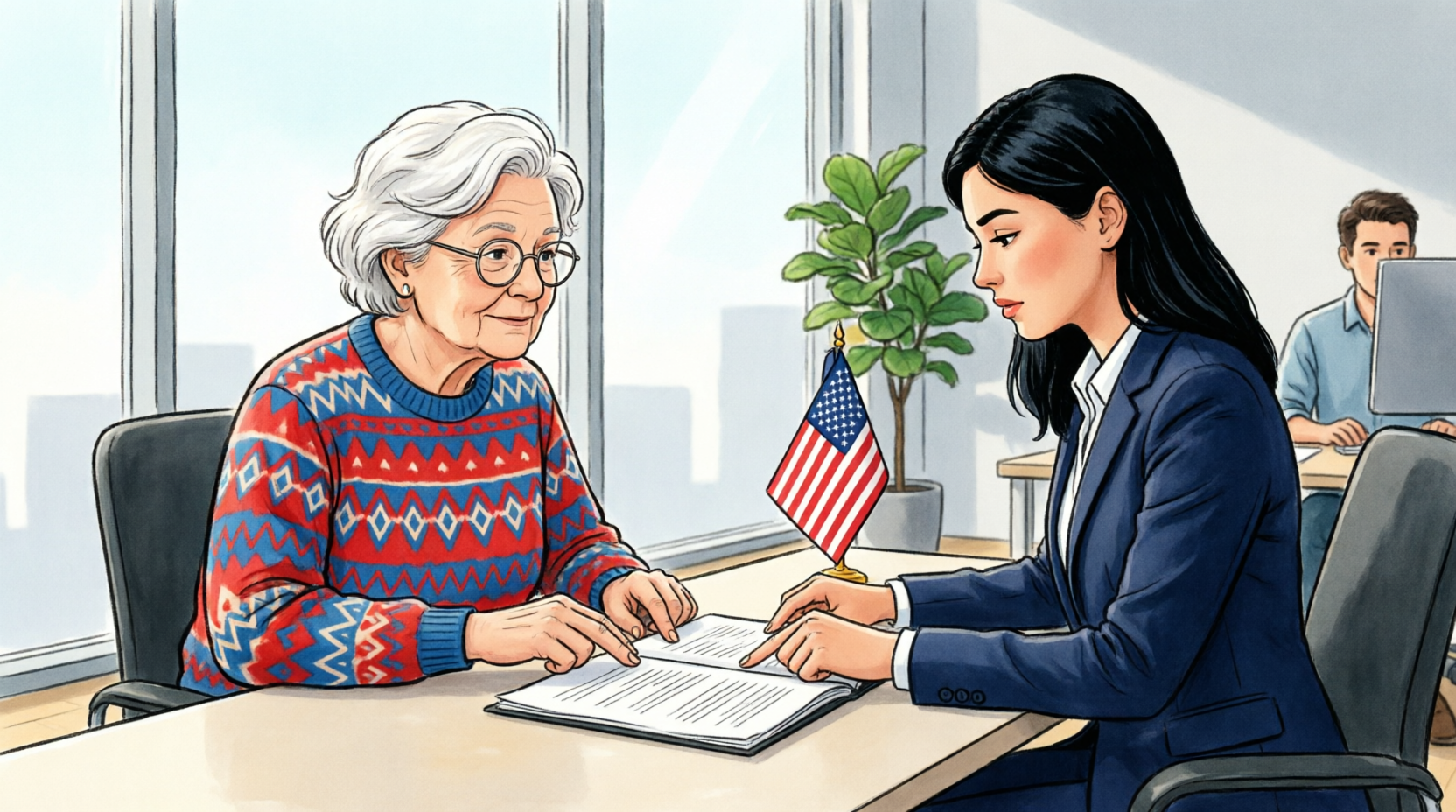
You didn’t go wrong, I assured her. Though part of me wondered the same thing. Had there been signs of Amanda’s moral flexibility that we’d all missed or excused over the years? small dishonesties that had escalated when the stakes got higher. “Your father can barely sleep,” she continued. “He keeps saying he should have taught her better values.
” As if this is his fault somehow. The pressure from my family to drop the charges began subtly at first, then grew more insistent as the reality of Amanda’s situation became clearer. She and Brian had been released on bail, but were required to surrender their passports. Their assets were frozen, including the house, which the bank was now moving to reclaim. She made a terrible mistake.
My mother pleaded over the phone one evening. But she’s still your sister, still our daughter. Couldn’t you ask the district attorney to reduce the charges? Maybe some kind of probation instead of instead of prison. Mom, she stole my identity. She planned to declare bankruptcy in my name. Do you understand what that would have done to me? I wouldn’t have been able to rent an apartment, get a car loan, maybe even keep my job if it required a security clearance.
She was willing to destroy my life. I know, honey. What she did was inexcusable, but she has two young children. Think about your niece and nephew growing up without their mother. That was the hardest part. Harper and Ethan, five and seven, innocent in all this. I adored those children, had babies at them countless times, brought them special treats from my travels.
Now they might lose their parents to incarceration because of my police report. My resolve wavered. Maybe I could talk to the DA about a plea deal. Maybe there was a way for Amanda to make restitution without serving time. It was Stephanie who helped me regain my perspective during a muchneeded night out at a bar far from my usual hunts.
Listen to me, she said, setting down her vodka tonic firmly. Amanda chose to commit multiple felonies. Amanda chose to victimize her own sister. Amanda chose to put her children at risk by engaging in criminal behavior. None of that is on you. The consequences are hers to bear, not yours to ameliorate. But my parents, your parents are doing what parents do, trying to protect their child.
But they’re protecting the wrong child in this scenario. You’re the victim here, Heather. Don’t let them make you feel guilty for standing up for yourself. She was right, of course. And when I met with the district attorney the following week, I made it clear that I was not interested in dropping or reducing the charges. Miss Wilson, I want to commend your resolve, said prosecutor Natalie Chen.
Many identity theft cases involving family members never make it to court because victims withdraw under family pressure. But these crimes have real consequences and they merit real punishment. The legal proceedings moved forward with excruciating slowness, preliminary hearings, motions filed by expensive defense attorneys, continuences and delays.
Through it all, I had to continue working, paying my bills, and attempting to repair my shattered credit. I’ll never forget the day Amanda and Brian finally accepted a plea deal 9 months after my confrontation at the family dinner. I sat in the courtroom watching as my sister, thinner now, her designer clothes replaced by a modest navy suit, stood before the judge.
Amanda Parker, you have pleaded guilty to one count of identity theft, one count of fraud, and one count of conspiracy, the judge stated. Before I pronounce sentence, do you wish to make a statement? Amanda turned slightly, her eyes finding mine in the gallery. For a moment, I saw a flicker of the sister I’d grown up with.
Vulnerable, human, flawed. I want to apologize to my sister,” she said, her voice steady but subdued. “What I did was unforgivable. I betrayed your trust in the worst possible way, and I’ll regret it for the rest of my life. I was selfish and desperate and terrified of failure. But that’s no excuse for hurting the person who has always supported me and believed in me.” “I’m so sorry, Heather.
” The judge sentenced Amanda to 18 in federal prison with Brian receiving 12 months. Both would serve three years of supervised release afterward and were ordered to pay full restitution. Though how they would manage that without their careers remained unclear. As Amanda was led away, our eyes met one final time.
There was so much unsaid between us, so much damage that might never be repaired. I didn’t know if I could ever forgive her, but in that moment, I acknowledged the complexity of my feelings. The anger and betrayal intertwined with memories of shared childhood, of love that had been real despite everything that came after.
The weeks following the sentencing were a blur of practical matters. The bank foreclosed on the house, selling it at auction for less than the mortgage amount. I worked with credit agencies to remove the fraudulent accounts from my record, a frustratingly slow process that required countless phone calls, letters, and documentation.
My relationship with my parents remained strained. They visited Amanda regularly in the minimum security facility where she was serving her time, but rarely mentioned these visits to me. We tried to maintain some semblance of family connection, but our conversations were superficial, carefully avoiding the elephant in the room.
Thanksgiving came and went, the first one in my memory without a full family gathering. My parents invited me, but I declined, spending the holiday with Stephanie<unk>s family instead. Christmas was equally fractured. I dropped gifts for my parents at their home, but didn’t stay for dinner. The traditions that had anchored our family life for decades had been shattered along with our trust.
The day the bank finally removed the fraudulent mortgage from my credit report felt like emerging from a long dark tunnel. My credit score was slowly recovering, though financial experts warned it might take years to fully restore. I’d moved to a new apartment, wanting a fresh start in a place untainted by memories of betrayal.
As winter turned to spring, I received an unexpected letter, not from Amanda, who had written several times with apologies I wasn’t ready to accept, but from my niece Harper. In wobbly handwriting on pink paper, she had written, “Dear Aunt Heather, I miss you a lot. Grandma says you’re mad at mommy because she did something bad.
I’m sometimes mad at mommy, too. Like when she wouldn’t let me have two desserts. But I still love her. Do you still love her? Can you come see me and Ethan? We have a new apartment, but it’s small and doesn’t have a garden like the big house.” Love, Harper, the innocent of a child who couldn’t possibly understand the magnitude of what had happened brought tears to my eyes.
Whatever my feelings toward Amanda, Harper, and Ethan were innocent casualties of their parents’ crimes, they deserved an aunt who loved them, even if that love had to be carefully separated from the betrayal of their mother. I called my parents that evening and asked if I could visit the children.
The relief in my mother’s voice was palpable. They ask about you all the time, she said. We’ve been caring for them while while Amanda and Brian are away. They would love to see you. That weekend visit with my niece and nephew became the first tentative step toward healing. Not forgiveness. Exactly. but a recognition that family bonds, even when severely damaged, don’t simply disappear.
They transform, requiring new boundaries, new expectations, new definitions of trust. The day Amanda’s house was finally sold at foreclosure auction, I drove by one last time. Another family’s moving truck was parked in the driveway, children running excitedly across the lawn that had briefly, on paper, been mine. I felt no attachment to the property that had caused so much pain, only a sense of closure as I drove away.
Some betrayals change you forever. I would never again be the trusting, somewhat naive person I was before discovering my sister’s fraud. But as I worked to rebuild my discovering my sister’s fraud, but as I worked to rebuild my finances and reconfigure my family relationships, I began to recognize that surviving betrayal had revealed a strength I hadn’t had known.
I possessed the courage to stand up for myself, to set boundaries, to demand respect even from those I loved. Six months after Amanda began serving her sentence, the foreclosure sign came down from in front of the Highland Drive house. Another family moved in, unaware of the drama that had unfolded within those walls. I drove past occasionally, feeling a strange mix of emotions, not regret or envy, but something more complex.
The house that had symbolized my sister’s betrayal was now just a house again, inhabited by people who had no connection to our family’s pain. 6 months after Amanda began her prison sentence, I was finally starting to see tangible improvements in my life. My credit score, while not fully recovered, had climbed back into the fair range.
The fraudulent accounts had been removed from my record, though explanatory notes remained that would require clarification for years to come. Whenever I applied for credit, I had settled into my new apartment, smaller than my previous one, but in a building with better security, including a locked mailbox that only I could access.
The paranoia lingered. a constant companion I was learning to manage rather than eliminate. My weekly therapy sessions with Dr. Elaine Winters had become a cornerstone of my recovery. Initially reluctant to share my story with yet another stranger, I’d found unexpected relief in having a neutral space to process my complicated emotions without judgment.
Family betrayal creates a unique kind of trauma. Dr. Winters had explained during one of our early sessions. The people we expect to protect us become the source of harm. It fundamentally challenges our ability to trust. Will I ever trust anyone again? I’d asked only half joking. You’ll trust differently, she’d replied. More carefully, more intentionally.
That’s not necessarily a bad thing. She was right. I’d become more cautious about sharing personal information, more vigilant about reviewing financial statements, more selective about who I allowed into my inner circle. But I hadn’t withdrawn from life entirely, which had been my fear in those dark early days.
My relationship with my parents was slowly healing, though it would never return to what it had been. The strain of divided loyalties, their natural instinct to support Amanda despite her crimes, my legitimate need for validation as the victim, created an underlying tension that colored our interactions.
But we were trying, all of us. Sunday dinners had resumed, though less frequently, and with a careful avoidance of certain topics. Your father and I visited Amanda yesterday, my mother mentioned during one such dinner, watching my face carefully for a reaction. How is she? I asked, surprised by my own genuine curiosity. managing teaching an ESL class to other inmates.
She asked about you. I nodded but offered no response. I still wasn’t ready to visit Amanda to face her across a prison table and hear more apologies that couldn’t undo what she’d done. Maybe someday, but not yet. My father, who had been mostly silent on the subject of Amanda for months, suddenly spoke up. She’s different in there.
Humbled, I think. I think she’s finally understanding the magnitude of what she did to you. It was the first time he had so clearly acknowledged me as the victim rather than focusing on Amanda’s suffering. The validation, though long overdue, meant more than I could express. “Thank you for saying that, Dad,” I said quietly.
The most unexpected support came from extended family who had seemed distant or judgmental in the immediate aftermath of the scandal. “My cousin Rachel, who I’d never been particularly close to, reached out with a surprising revelation. “I never told anyone in the family,” she confided over coffee. But my college roommates stole my identity.
Open credit cards ran up thousands in debt. I know something about what you’ve been through. What did you do? I asked. Pressed charges just like you. Lost friends who thought I was overreacting. Never regretted it for a minute. Finding this community of understanding other identity theft victims who truly comprehended the violation I’d experienced became an important part of my healing.
I joined an online support group and eventually began attending in-person meetings of a financial crime survivors network. There I met people from all walks of life whose stories echoed aspects of mine. The shock of discovery, the painstaking process of clearing their names, the broken relationships with those who couldn’t understand why they wouldn’t just forgive and move on.
In their company, I didn’t have to explain or justify my feelings. They already knew. Through this network, I connected with a nonprofit organization dedicated to helping identity theft victims navigate the complex process of recovery. After benefiting from their resources, I began volunteering, using my own experience to guide others through the labyrinthine systems of credit bureaus, law enforcement, and financial institutions.
“You have a gift for this,” Margot, the organization’s director, told me after observing one of my counseling sessions with a newly identified victim. “Your compassionate without sugarcoating the reality of what they’re facing.” “This work gave purpose to my pain, transforming a devastating personal experience into knowledge that could help others.
I couldn’t undo what Amanda had done, but I could use it to make someone else’s journey a little less lonely, a little more navigable. Moving to my new apartment had been a practical necessity. The lease on my old place had ended, and I needed something I could afford on a budget strained by legal fees and credit counseling costs.
But it became a symbolic fresh start as well. I filled it with plants as always, but also with new furniture that held no memories of my pre- betrayal life. I installed a small home office with a locking file cabinet for important documents. Not because I expected another family member to steal my identity, but because the experience had taught me the value of prudent protection.
When Amanda had been incarcerated for nearly a year, I received a letter that stood out from her previous attempts at communication. Unlike her earlier apologies, which had focused on her remorse and suffering, this one acknowledged the specific harms she had caused me. I’ve been working with a therapist here, she wrote. She’s helping me understand that true accountability means recognizing not just that I did something wrong, but exactly how my actions hurt you.
I stole more than your identity, Heather. I stole your sense of security, your trust in family, your belief in my love for you. I can’t undo that harm. But I want you to know that I see it clearly now. I’m not asking for forgiveness. I’m not even asking for a response. I just want you to know that I understand what I destroyed and I will live with that knowledge for the rest of my life.
I didn’t respond immediately, but I kept the letter, rereading it periodically as I processed my feelings. The acknowledgement of specific harms felt different from her earlier blanket apologies, more genuine, more complete, more aware. Around this time, I made a decision that surprised even me. Using some of the restitution money that had finally begun arriving from Amanda and Brian’s seized assets, I put a deposit on a small house with a generous yard, perfect for an expanded garden.
The irony wasn’t lost on me. My sister’s crime had ultimately led to me achieving the home ownership she had fraudulently claimed in my name. The day I signed the legitimate mortgage papers, a moment that should have been purely joyful. I experienced an unexpected wave of emotion. Sitting in the loan officer’s office, reviewing documents remarkably similar to those that had been forged in my name.
I felt a strange closing of a circle. “Is everything all right, Miss Wilson?” the loan officer asked, noticing my hesitation. Yes, I said, signing my actual name to a loan I had chosen for a house I could afford. Everything is fine, better than fine, actually. Taking ownership of my new home became a powerful act of reclamation.
I painted the walls colors I loved, planted a vegetable garden in the backyard, and invited friends for a housewarming party. My first real celebration since before the identity theft discovery. Stephanie brought champagne and a doormat that read, “Not today. Identity thieves.” Dark humor that made me laugh despite myself. My parents came too, bringing a house plant and awkward good wishes.
They were trying in their way to support this new chapter while still maintaining their relationship with Amanda. “It’s a lovely home, Heather,” my mother said, hugging me tightly. “We’re<unk> so proud of you for buying a house?” I asked for everything. My father clarified. For how you’ve handled all of this with dignity and strength? It wasn’t complete healing.
That would take years more if it ever fully arrived, but it was acknowledgment, and that mattered. Two weeks after my housewarming, I did something I’d been considering for months. I drove to the federal correctional institution where Amanda was serving her sentence and added my name to her visitors list. I wasn’t ready to see her yet, but I wanted the option available when and if that day came.
As I continue rebuilding my life, I’ve come to understand that healing isn’t a destination, but a process. Some days I feel strong and forward-looking. Others, the betrayal feels fresh and raw. I’ve learned to accept both realities as part of my journey. What happened between my sister and me is a story with no neat ending, no perfect resolution.
Family bonds, once broken by betrayal, can never be completely restored to their original form. But they can transform into something new, something more honest, perhaps with clearly established boundaries and carefully rebuilt trust. I don’t know if Amanda and I will ever reclaim anything resembling our former closeness. I don’t know if I’ll ever fully trust her again, but I know that I’ve survived the worst betrayal I could imagine, and I’ve emerged stronger, wiser, and more self-reliant than before.
If there’s a lesson in all of this, it’s that trust should be treated as the precious resource it is. Given carefully, guarded appropriately, and withdrawn when necessary for self-p protection. Love and trust aren’t the same thing, a distinction I never fully understood until now. I can love my sister while acknowledging that she violated my trust in ways that may never be fully repaired.
This experience has taught me that family loyalty has limits and should have limits. That standing up for yourself, even against those you love, isn’t selfish, but necessary. That forgiveness, if it comes, must follow accountability, not replace it. I’m still writing my story, still finding my way forward. But I know this much. I refuse to be a victim in silence.
I refuse to sacrifice my financial future to protect someone who hadn’t protected me. I refuse to accept betrayal as the price of family peace. And in those refusals, I found my strength. What about you? Have you ever experienced betrayal from someone you trusted completely? How did you handle it? And what boundaries did you establish afterward? I’d love to hear your stories in the comments below.