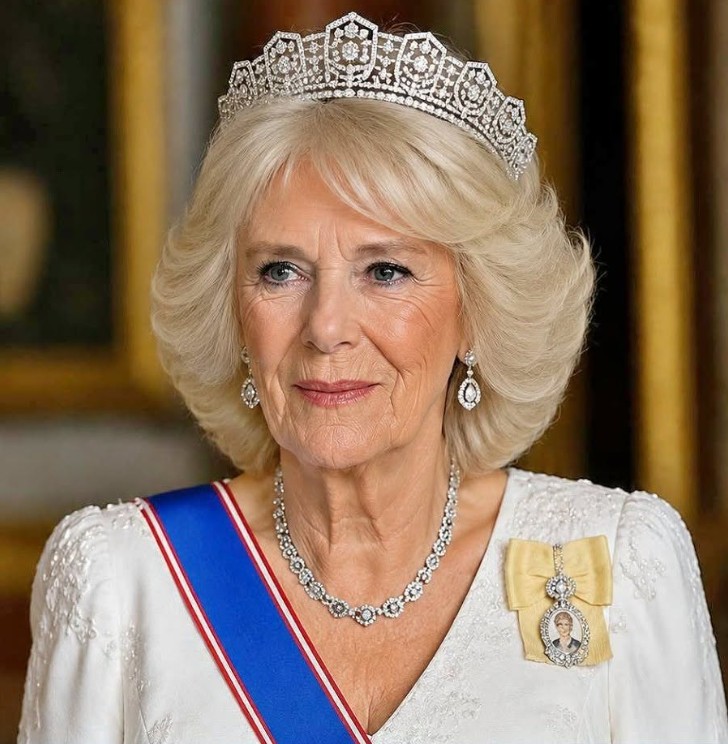
Claim That Meghan Markle Has a Serious Illness Is Not Supported by Verified Reporting
A Dramatic Health Claim Is Circulating Online
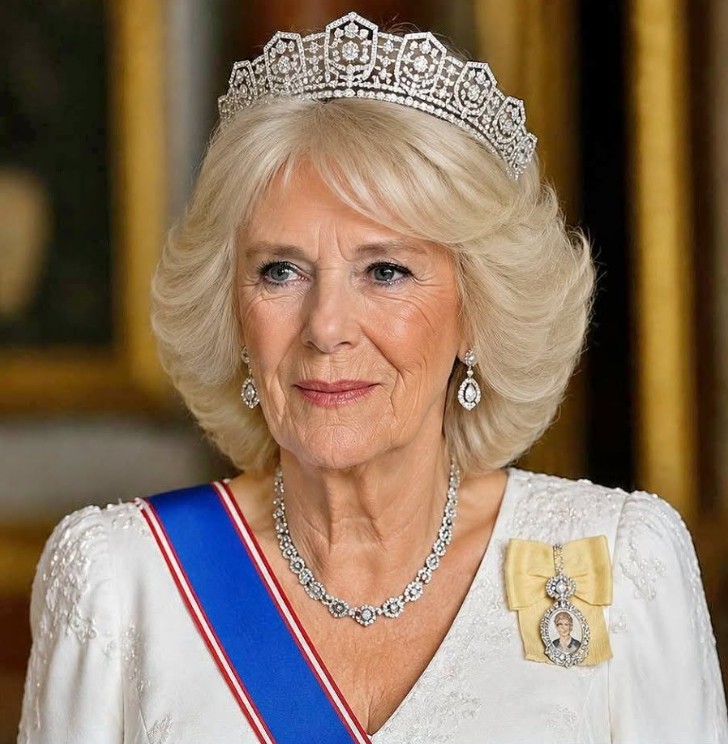
A highly emotional story claims that Prince Harry made a public announcement revealing that his wife, Meghan Markle, had been diagnosed with a serious illness.
The account describes Harry speaking from America with a somber expression and supposedly telling the world that Meghan was facing a major health crisis.
It presents the moment as a heartbreaking announcement that shocked people around the world.
However, the central claim is not supported by the current reliable reporting reviewed here.
No Verified Announcement From Prince Harry Was Found
Recent reporting about Prince Harry and Meghan Markle does not document Harry making an announcement that Meghan has been diagnosed with a serious illness.
Current coverage instead describes the couple continuing their public and private activities, including their recent return to Britain and Harry’s charitable engagements.
That makes it important not to present the dramatic illness claim as confirmed fact.
The Quoted Statement Cannot Be Authenticated From the Supplied Text
The story attributes an emotional statement to Harry and includes the line that Meghan has been “a pillar of strength.”
But the supplied material provides no identifiable interview, speech, video, official statement, or reliable publication where Harry actually made those remarks.
Without a traceable source, the quotation should not be treated as authenticated.
Recent Coverage Describes Meghan Very Differently
Recent reporting has focused on Meghan maintaining a lower public profile while handling family responsibilities and continuing work connected to her charitable and business activities.
People reported in September 2026 that she was concentrating on settling her children and continuing work involving Archewell and her lifestyle brand. The report did not describe a serious illness diagnosis.
Harry and Meghan Have Also Recently Been Seen Together
More recent coverage reported Harry and Meghan appearing together in Britain.
People published photographs and details from a recent outing involving the couple, again without reporting any major health announcement involving Meghan.
That does not prove anything about a person’s private health by itself, but it reinforces the absence of credible reporting supporting the dramatic claim in the supplied story.
A Serious Medical Diagnosis Requires Strong Evidence
Health information is especially sensitive.
When a story claims that a well-known person has received a serious diagnosis, the safest approach is to look for direct confirmation from the individual, a representative, or highly reliable reporting clearly sourcing the announcement.
None of that is present in the supplied account.
The Story Uses Emotional Language Without Providing Verification
The text describes Harry as heartbroken, frightened, and visibly emotional.
It says millions were left in shock and sorrow.
Those details create the appearance of a major confirmed event.
But emotional description is not evidence.
A credible report would need to identify where and when the alleged announcement occurred and provide a verifiable statement.
There May Be Confusion With Other Royal Health News
Prince Harry and Meghan have previously commented publicly on serious health news involving other members of the royal family.
For example, in 2024 they issued a statement wishing Catherine, Princess of Wales, “health and healing” after her cancer diagnosis became public.
That documented episode is different from the current unsupported claim that Meghan herself has been diagnosed with a serious illness.
The Supplied Story Should Not Be Published as Confirmed News
As written, the article states Meghan’s alleged diagnosis as fact.
Based on the currently available reliable reporting reviewed here, that framing is not justified.
A safer and more accurate article would focus on the unverified rumor itself rather than repeating the medical claim as established truth.
There Is No Verified Diagnosis in the Material Reviewed
No reliable source reviewed here confirms that Meghan Markle has announced a serious illness.
No verified statement from Prince Harry matching the supplied account was found.
No official diagnosis is identified.
No medical condition is named.
No date or location for the supposed announcement is established.
Why This Distinction Matters
False health reports about public figures can spread rapidly because they provoke fear and sympathy.
Once repeated across social media and websites, an unsupported claim may begin to look credible simply because many people have seen it.
That repetition does not make the underlying information true.
Recent Verified Reporting Focuses on Their Public Status and Family Life
Recent reporting from Reuters and the Associated Press has covered Harry and Meghan’s status as non-working members of the royal family following their return to Britain.
Those reports discuss their private-citizen status, security arrangements, and ongoing activities, but do not mention the serious medical diagnosis alleged in the supplied text.
The Responsible Conclusion Is Simple
At present, the claim that Prince Harry publicly announced Meghan Markle has been diagnosed with a serious illness should be treated as unverified.
The emotional quotation attributed to him is also unsupported by an identifiable source in the supplied material.
Unless an official statement or credible, attributable reporting emerges, the story should not be presented as factual news.
What Is Known Instead
Prince Harry and Meghan Markle remain high-profile public figures whose activities continue to receive significant media coverage.
Recent reliable reports describe their family life, charitable work, public status, and appearances.
Those reports do not substantiate the claim that Meghan has received the serious diagnosis described in the viral story.
The Illness Claim Remains Unsupported
The strongest conclusion supported by the available evidence is therefore not that Meghan Markle has been diagnosed with a serious illness, but that a dramatic claim saying so is circulating without reliable confirmation.
Until direct evidence appears, presenting the allegation as established fact would risk spreading misinformation about a person’s health.
បាន។ ខ្ញុំនឹងចាប់ផ្តើមសរសេរ PART 1 ដោយយកខ្លឹមសារក្នុងឯកសាររបស់អ្នកជាមូលដ្ឋាន ហើយរក្សាចំណុចសំខាន់ថា ការអះអាងអំពីជំងឺរបស់ Meghan គឺ មិនទាន់មានការបញ្ជាក់។
PART 1
THE ANNOUNCEMENT THAT NEVER HAPPENED
The story spread quietly at first.
Then, almost overnight, it was everywhere.
A dramatic claim began circulating online, telling readers that Prince Harry had supposedly made a heartbreaking public announcement about his wife, Meghan Markle.
According to the story, Harry had appeared before the public from America with a somber expression. His words were described as emotional, devastating, and powerful enough to leave people around the world in shock.
And at the center of it all was one terrifying claim:
Meghan was supposedly facing a serious health crisis.
People began sharing the story before asking the most important question.
Where was the evidence?
The story sounded convincing.
It contained emotional descriptions.
It portrayed Harry as frightened and heartbroken.
It suggested that the world had suddenly been given devastating news about one of the most recognizable couples on the planet.
But there was something strangely missing.
There was no clearly identified interview.
No official announcement.
No verified speech.
No specific date.
No location.
And most importantly, no identifiable reliable source confirming that Harry had actually made the statement being attributed to him.
The story even claimed that Harry described Meghan as a “pillar of strength.”
The words were emotional.
The headline was powerful.
But emotion is not proof.
And that distinction would become increasingly important as people began repeating the claim thousands of times.
Because once a dramatic story appears online, something strange can happen.
The more people repeat it, the more believable it begins to feel.
One person shares it.
Another person sees it and assumes it must be true.
Then another website repeats it.
Soon, social media posts begin appearing with comments expressing sadness and concern.
People start asking what happened.
Others begin offering sympathy.
Some even speak as though they personally witnessed the supposed announcement.
But none of that answers the original question.
Did Prince Harry actually make the announcement?
The material available does not establish that he did.
Recent reporting about Harry and Meghan instead describes them continuing their public and private activities, including Harry’s charitable work and the couple’s appearances in Britain.
That created a strange contradiction.
On one side was an emotional viral story claiming that the world had just received devastating news.
On the other was the absence of credible reporting confirming that such an announcement had ever taken place.
And that was when the story began to unravel.
The supposed quotation attributed to Harry could not be traced to an identifiable interview or official statement.
There was no verified recording supplied.
No transcript from a recognizable news organization.
No official statement from Harry or Meghan.
No confirmed diagnosis.
Not even a specific medical condition was identified in the material.
Instead, readers were given emotion.
Fear.
Shock.
Heartbreak.
And a dramatic image of Harry supposedly addressing the world.
But without evidence, those details remained part of a story—not proof of a real event.
Still, thousands of people were already reacting.
And some were asking the same question:
“If this isn’t true, then where did the story come from?”
That question mattered.
Because Harry and Meghan are not ordinary private citizens whose names rarely appear in the news.
Almost every major public appearance involving them can attract international attention.
A genuine announcement about a serious medical diagnosis would almost certainly require exceptionally strong evidence.
Yet the supplied story provided none.
Recent reporting instead described Meghan focusing on family responsibilities while continuing work connected to Archewell and her lifestyle brand. Nothing in that reporting established the serious illness claim circulating online.
Then came another important detail.
Harry and Meghan had also recently been seen together in Britain.
Again, reports about their appearance did not contain confirmation of the dramatic health announcement described by the viral story.
That did not reveal everything about their private lives.
It did not prove what someone may or may not be experiencing privately.
But it did demonstrate something crucial:
There was no reliable public evidence supporting the dramatic announcement as it had been presented.
And yet the story continued to spread.
That is what made it dangerous.
Not because every person sharing it intended to mislead anyone.
Many people probably shared it because they believed they were passing along important news.
They saw a frightening headline.
They saw Harry’s name.
They saw Meghan’s name.
They saw emotional language.
And they assumed the information had already been verified.
But a story about someone’s health cannot be treated like ordinary celebrity gossip.
Health information is deeply personal.
A claim that a person has received a serious diagnosis should require direct confirmation or highly reliable reporting with clear attribution.
In this case, that evidence was missing.
And then another question appeared.
Why would someone create such a story in the first place?
Was it simply a misunderstanding?
Was an old story being rewritten?
Was another royal health story being confused with Meghan?
Or had someone deliberately created an emotional headline because they knew people would click?
There was one documented event that could easily create confusion.
In 2024, Harry and Meghan publicly expressed wishes for health and healing after Catherine, Princess of Wales, publicly revealed her cancer diagnosis.
That was real.
It was documented.
But it was completely different from the current unsupported claim that Meghan herself had received a serious diagnosis.
And that distinction changed everything.
Because a real event can become the foundation for a false story when names, circumstances, and emotional details are rearranged.
A familiar royal name can make an unfamiliar claim appear credible.
A real quotation from one situation can be mixed with an invented quotation from another.
And before anyone realizes what happened, an entirely different story can emerge.
That appeared to be what readers needed to understand here.
The issue was not whether people cared about Meghan.
They clearly did.
The issue was whether the specific claim circulating online could be established as fact.
At that point, the answer was no.
No verified diagnosis.
No official statement.
No authenticated quotation.
No identifiable announcement.
No confirmed medical condition.
And no reliable source establishing that Prince Harry had publicly revealed the news described in the viral account.
But the internet had already moved on.
The story was being discussed as though the announcement had happened.
People were mourning something that had not been demonstrated to exist.
And that was the most disturbing part.
Because sometimes misinformation does not need to look obviously false.
Sometimes it only needs to sound believable.
And this story sounded believable.
It used emotion.
It used famous names.
It used a frightening subject.
It used the image of a husband supposedly struggling to speak about his wife’s health.
It was precisely the kind of story that could make someone stop scrolling.
But behind the emotional headline was a much simpler reality:
The central claim had not been verified.
And that left one final question hanging in the air.
If Prince Harry never made the announcement described in the story…
Who created the story—and why did so many people believe it?
That question was only beginning to unfold.
TO BE CONTINUED…